What Beginners Should Expect from Personal Training: A Comprehensive Guide
By FitHelp Team · · 5 min read
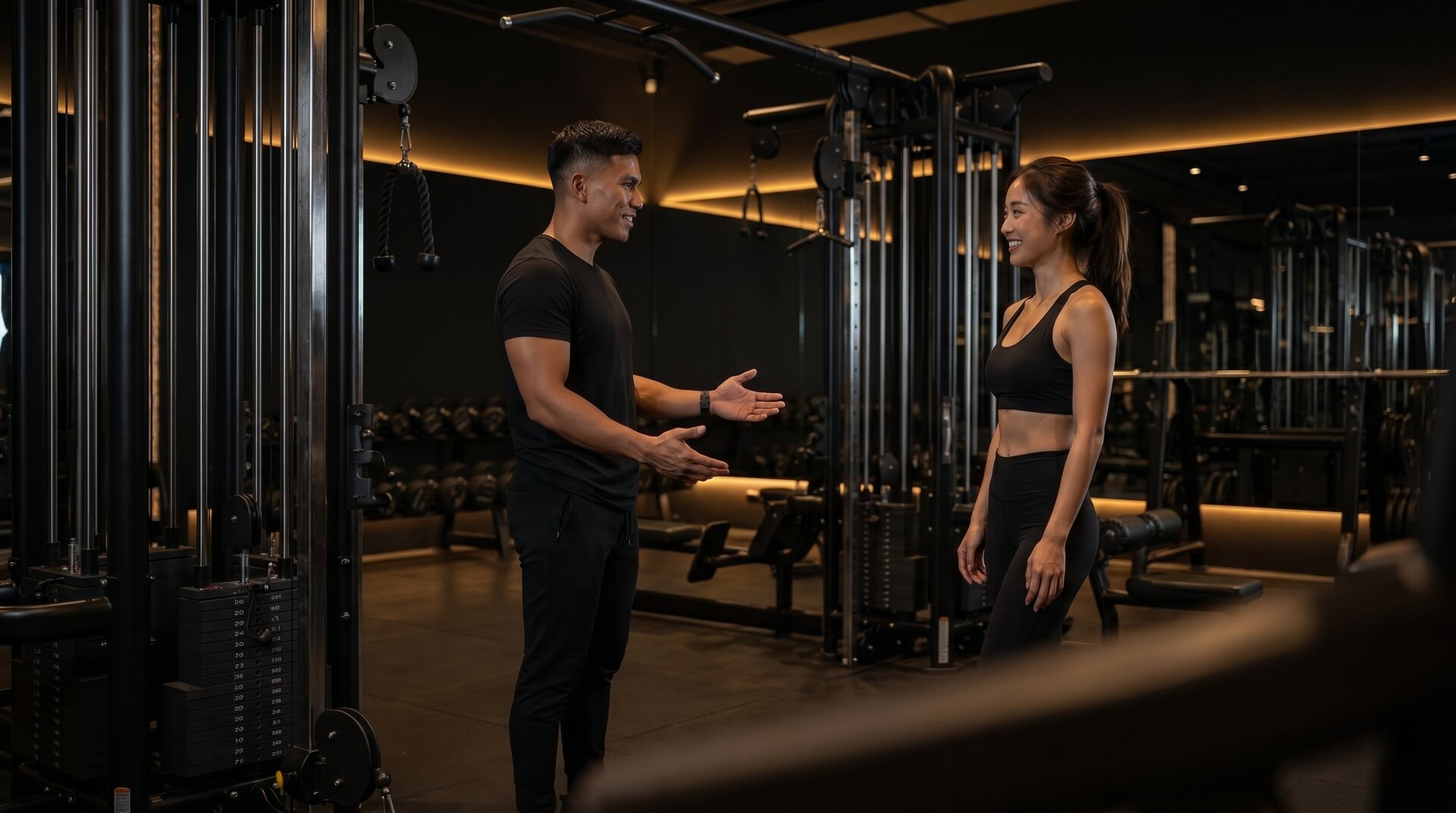
Embarking on a fitness journey with a professional can be transformative, yet many beginners feel apprehensive about their initial sessions. Understanding the structured approach that certified professionals employ can alleviate anxiety and set the stage for long-term success. This guide explores the evidence-based protocols, from comprehensive fitness assessments to individualized program design, that define a high-quality personal training experience.
The Initial Consultation and Fitness Assessment
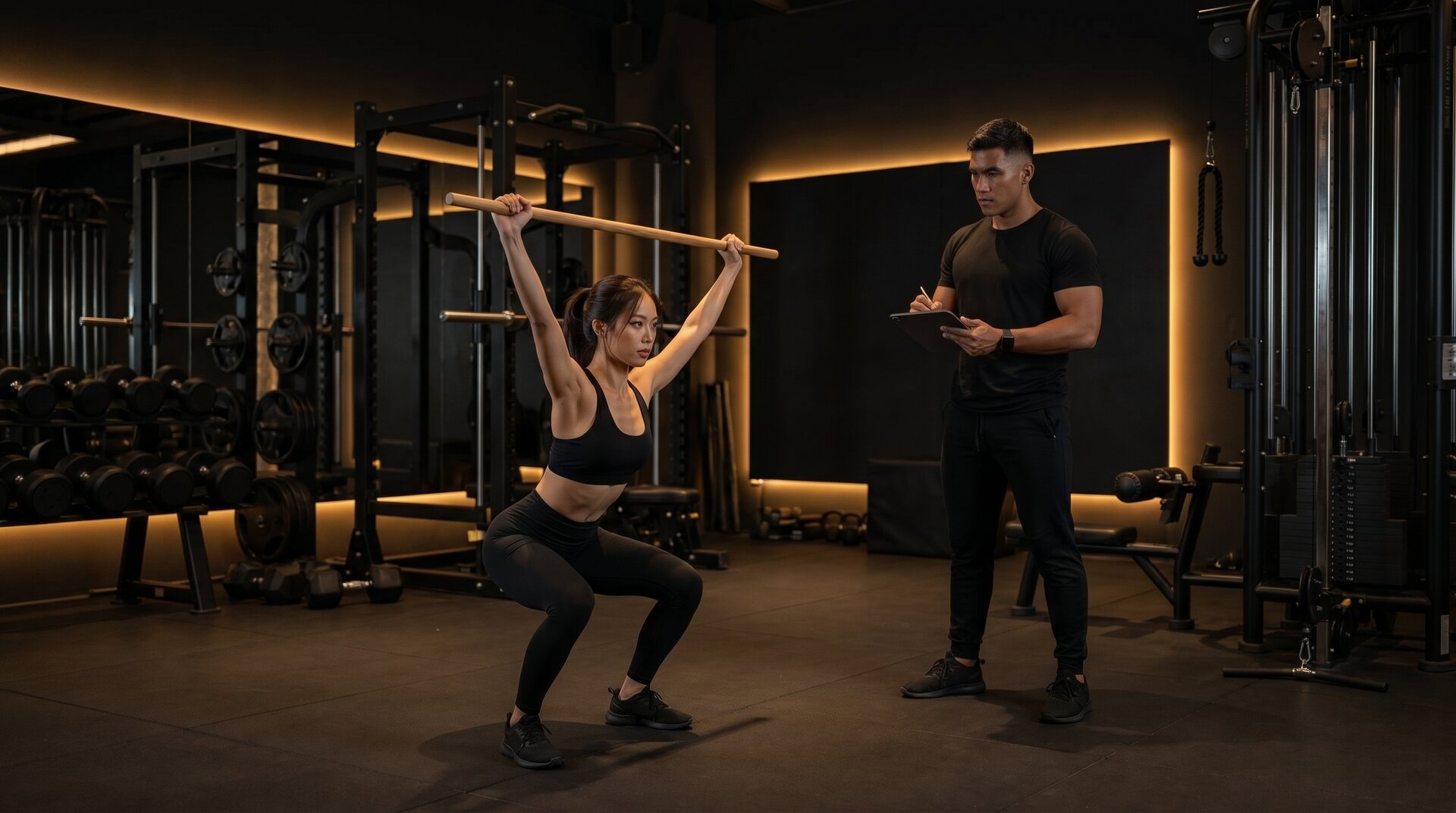
The foundation of any effective personal training program begins with a comprehensive initial consultation and fitness assessment. During this first session, trainers utilize validated screening tools, such as the Physical Activity Readiness Questionnaire (PAR-Q), to identify potential health risks. According to the American College of Sports Medicine (ACSM), pre-participation health screening is critical for determining safe exercise parameters. Trainers will also evaluate baseline metrics, including body composition, cardiovascular endurance, and muscular strength, providing objective data to track future progress and tailor the intervention.
Furthermore, functional movement screens (FMS) are frequently incorporated to assess mobility and identify biomechanical asymmetries. Research indicates that identifying and correcting movement dysfunctions early can significantly reduce injury risk during resistance training. By analyzing your squat mechanics or shoulder mobility, a qualified professional can design corrective exercises that address specific deficits. This evidence-based assessment phase ensures that the subsequent programming is not only effective but also biomechanically safe, establishing a solid foundation for your long-term athletic development and overall physical well-being.
Evidence-Based Program Design Basics
Following the assessment, trainers develop an individualized exercise prescription based on the principles of progressive overload and specificity. For beginners, the initial focus is typically on anatomical adaptation, which involves preparing the muscles, tendons, and ligaments for more intense future loads. A study published in the Journal of Strength and Conditioning Research demonstrates that a periodized approach, starting with lower intensities (50-60% of 1-repetition maximum) and higher volumes, optimizes neuromuscular adaptations in untrained individuals while minimizing the risk of delayed onset muscle soreness (DOMS).
Trainers also structure sessions to balance various fitness components, integrating resistance training, cardiovascular conditioning, and flexibility work. The World Health Organization recommends at least 150 minutes of moderate-intensity aerobic activity and two days of muscle-strengthening activities per week. A skilled trainer will distribute these requirements systematically across your weekly schedule. If you are ready to experience this structured approach, you can easily find a qualified professional through our comprehensive directory at /personal-trainers, ensuring your program aligns with established physiological guidelines.
The First Active Training Session
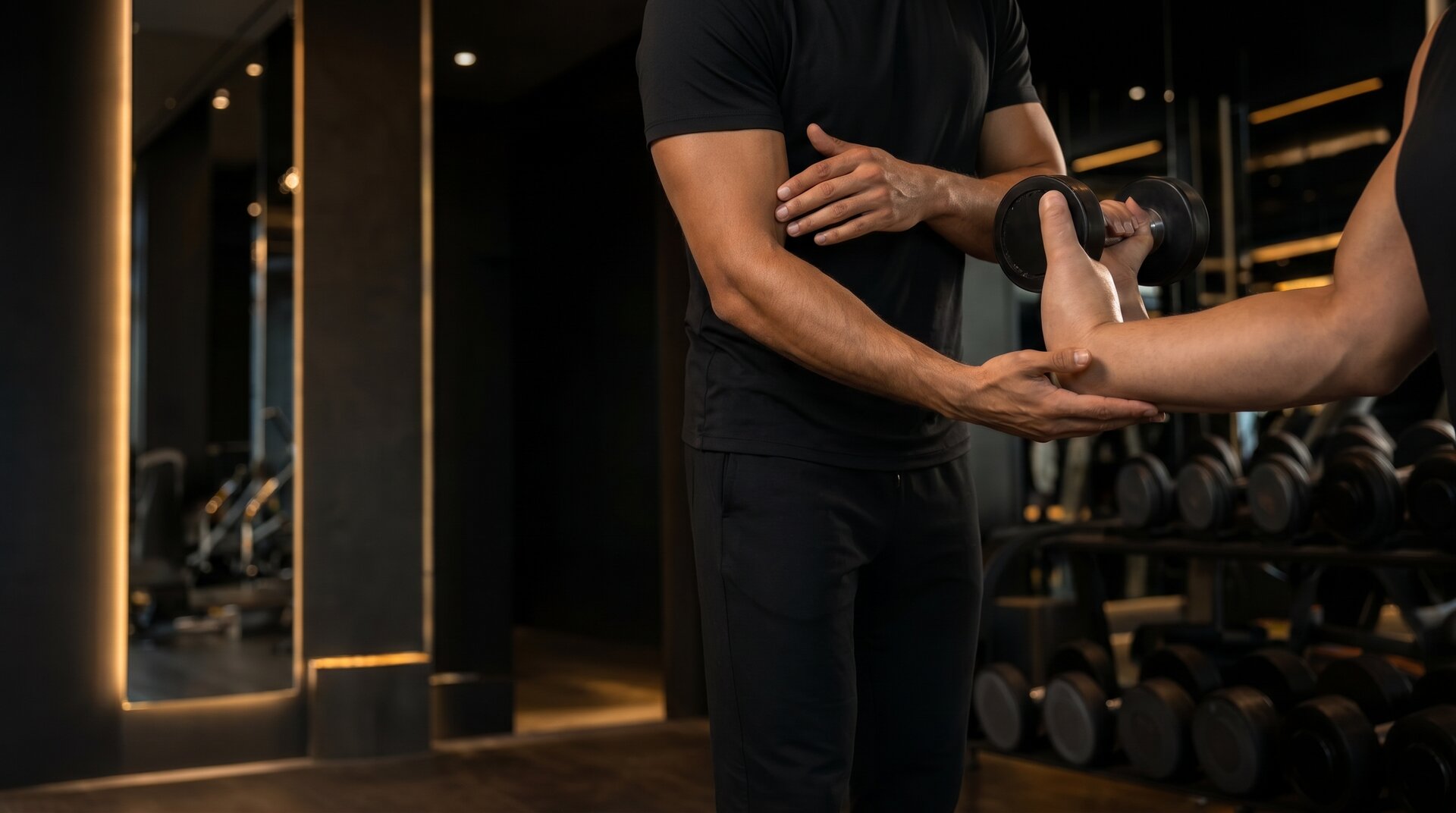
Your first active training session will primarily focus on motor learning and exercise technique rather than maximal exertion. Trainers prioritize the mastery of fundamental movement patterns—such as hinging, squatting, pushing, and pulling—before introducing heavy resistance. Research in Sports Medicine highlights that explicit instruction and external cueing during the initial stages of motor skill acquisition significantly enhance biomechanical efficiency. Expect your trainer to provide continuous feedback, adjusting your posture and joint alignment to ensure optimal muscle activation and joint safety.
Additionally, this session serves to establish an appropriate rating of perceived exertion (RPE). Trainers often use the Borg RPE scale to help beginners quantify their effort levels, ensuring they train within the targeted intensity zones. Studies show that autoregulation using RPE is highly effective for managing fatigue and preventing overtraining in novice lifters. By learning to accurately gauge your exertion, you develop the internal awareness necessary to safely navigate future workouts, fostering both physical resilience and psychological confidence in the gym environment.
Tracking Progress and Adjusting the Plan
A hallmark of professional personal training is the systematic tracking of progress and the dynamic adjustment of the exercise program. Trainers utilize objective metrics, such as training volume load, resting heart rate, and periodic reassessments of body composition, to evaluate the efficacy of the intervention. According to the Journal of the International Society of Sports Nutrition, regular monitoring allows for the timely manipulation of training variables, preventing plateaus and ensuring continuous physiological adaptation. This data-driven approach guarantees that your program evolves alongside your fitness level.
Beyond physical metrics, trainers also monitor psychological readiness and adherence. The integration of behavioral change theories, such as the Transtheoretical Model, helps trainers identify barriers to consistency and implement motivational interviewing techniques. Research confirms that clients who receive regular, data-backed feedback and psychological support from their trainers exhibit significantly higher long-term adherence rates. Ultimately, what you should expect is a collaborative, evolving partnership where evidence-based adjustments are continuously made to optimize your health outcomes and sustain your motivation over time.
References
- Riebe D, et al. (2015). Updating ACSM's Recommendations for Exercise Preparticipation Health Screening. Medicine & Science in Sports & Exercise, 47(11), 2473-2479.
- Kraemer WJ, et al. (2004). Fundamentals of resistance training: progression and exercise prescription. Medicine & Science in Sports & Exercise, 36(4), 674-688.
- Wulf G, et al. (2010). Frequent external-focus feedback enhances motor learning. Frontiers in Psychology, 1(190), 1-7.
- Helms ER, et al. (2016). Application of the Repetitions in Reserve-Based Rating of Perceived Exertion Scale for Resistance Training. Strength and Conditioning Journal, 38(4), 42-49.
- Sylvia LG, et al. (2014). Practical guide to measuring physical activity. Journal of the Academy of Nutrition and Dietetics, 114(3), 199-208.