The Ultimate Guide to Macronutrients for Fitness
By FitHelp Team · · 5 min read
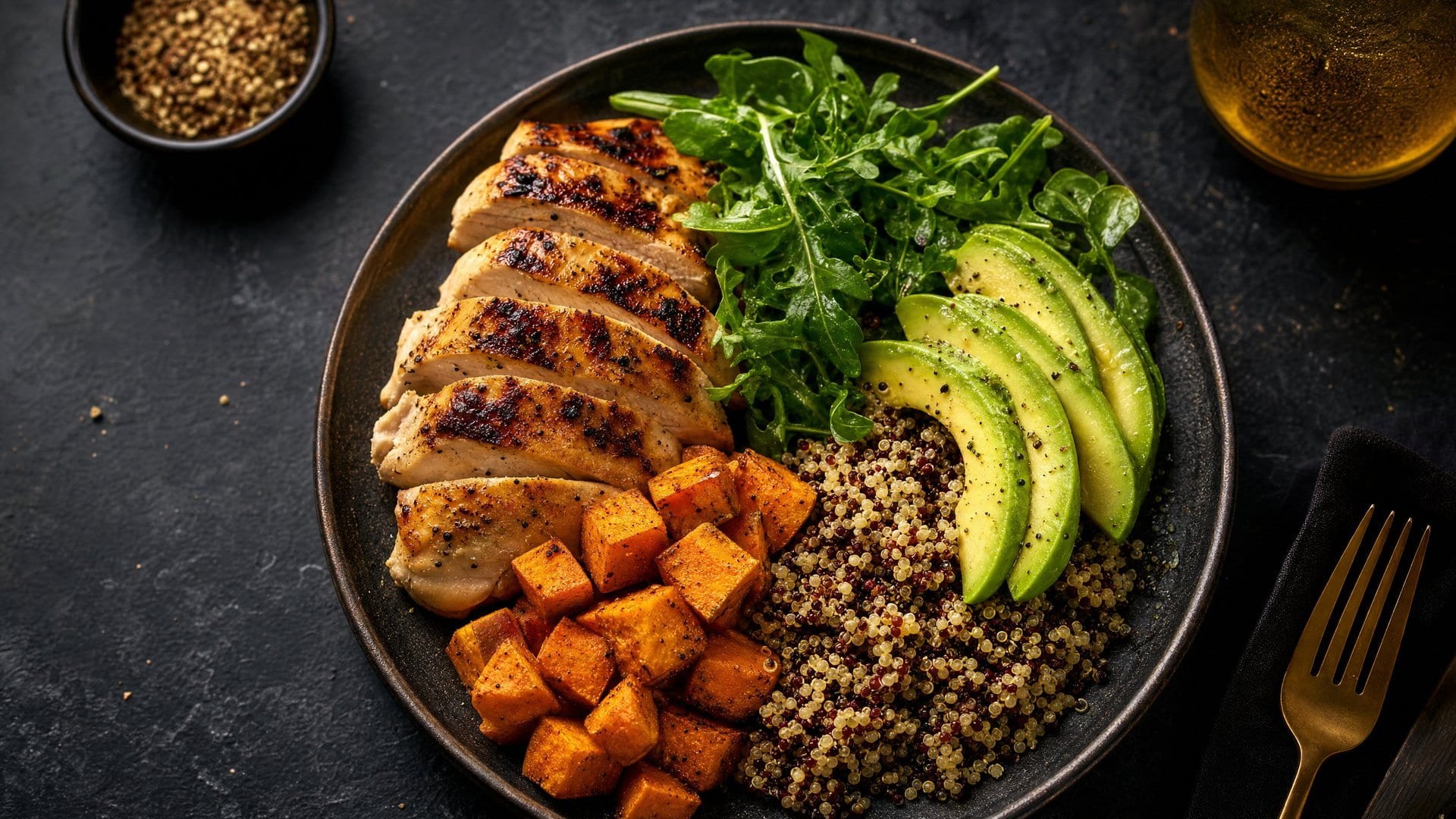
Every adaptation you pursue in the gym—muscle growth, fat loss, or endurance—is governed by the substrates you provide through nutrition. Macronutrients (protein, carbohydrates, and fats) are the caloric building blocks that fuel exercise and determine body composition. Here is what the research says about optimizing each one.
Protein: The Muscle Builder
The International Society of Sports Nutrition (ISSN) recommends 1.4–2.0 g of protein per kg of body weight per day for active individuals. A meta-analysis by Morton et al. (2018) in the British Journal of Sports Medicine, covering 49 studies and 1,863 participants, found that intakes above 1.62 g/kg/day did not further increase muscle gains. For a 75 kg person, this means 120–165 g daily.
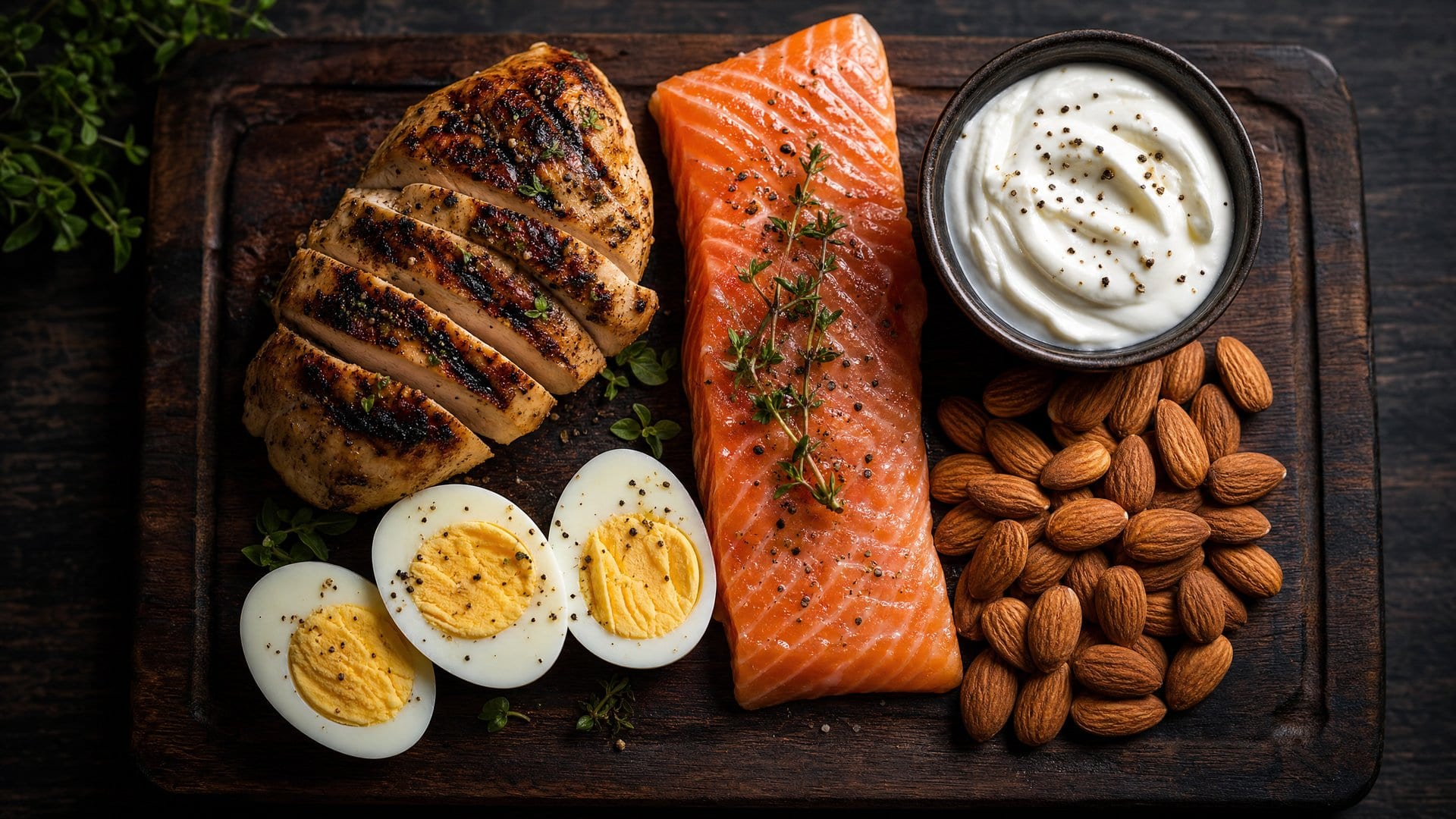
Distribute protein across 3–4 meals at roughly 0.4 g/kg per meal (25–40 g) to maximize muscle protein synthesis throughout the day (Areta et al., 2013). High-quality sources include chicken breast (31 g/100 g), salmon (25 g/100 g), Greek yogurt (10 g/100 g), eggs, lentils, and tofu.
Carbohydrates: The Performance Fuel
Glycogen is the primary energy source for moderate-to-high intensity exercise. The ACSM recommends 3–5 g/kg/day for moderate exercise and 5–7 g/kg/day for intense training. A systematic review by Henselmans et al. (2022) confirmed that low-carb diets offer no fat-loss advantage when protein is matched, and consistently impair high-intensity performance.
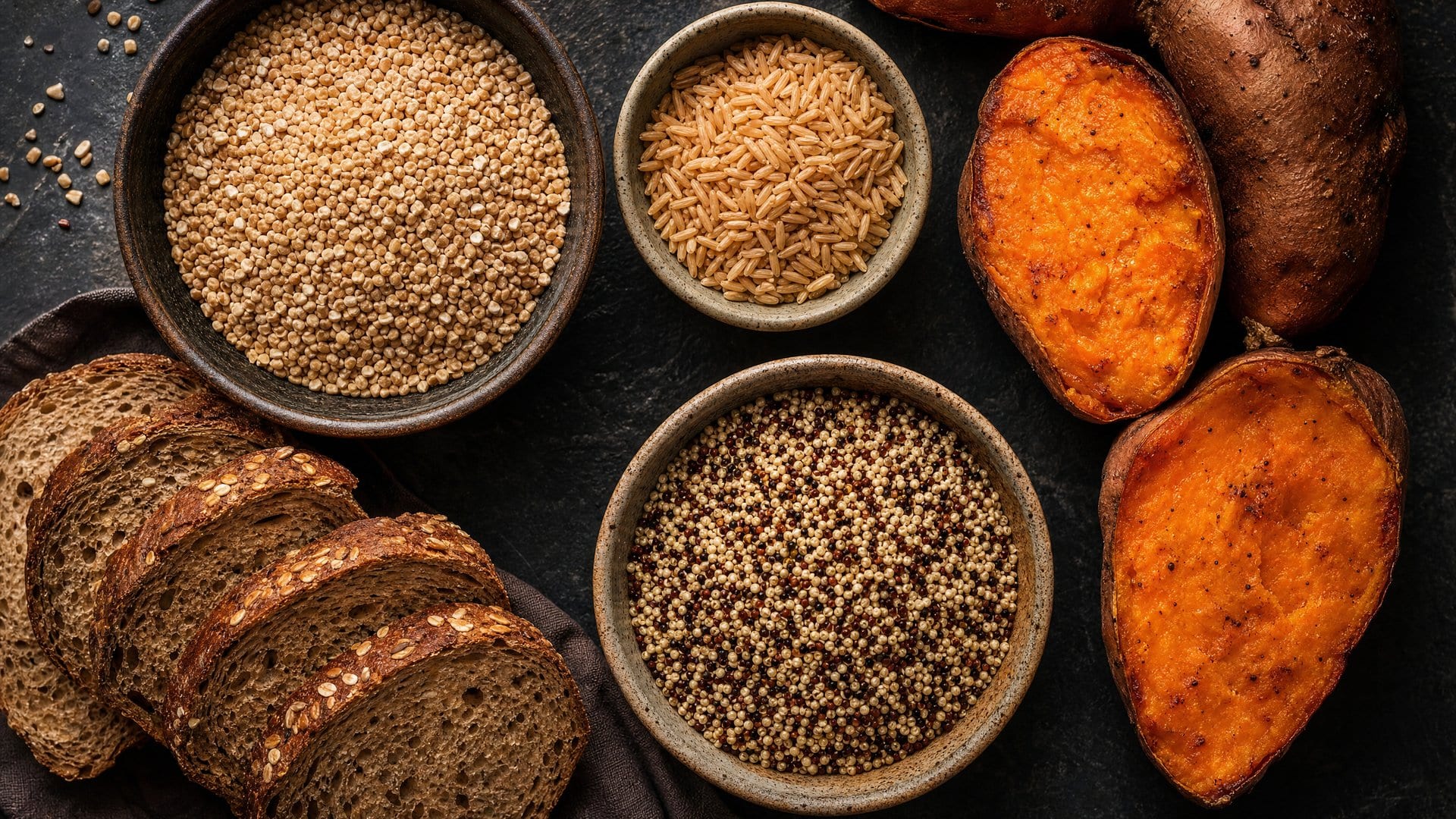
Prioritize complex sources (oats, rice, sweet potatoes, quinoa) for sustained energy, and reserve simple carbs for the peri-workout window.
Fats: Hormonal Health
Dietary fat is essential for hormone production, vitamin absorption, and cell membrane integrity. The ISSN recommends 20–35% of total calories from fat, with a minimum of 0.5–1.0 g/kg/day. Volek et al. (2001) found that men consuming less than 20% calories from fat experienced significant testosterone reductions. Emphasize unsaturated sources: olive oil, avocados, nuts, and fatty fish.
The Practical Framework
1. Set total calories based on your goal (surplus, deficit, or maintenance). 2. Set protein first at 1.6–2.2 g/kg/day. 3. Set fat at 0.7–1.0 g/kg/day minimum. 4. Fill remaining calories with carbohydrates.
Example for a 75 kg person targeting fat loss at 2,000 kcal: 150 g protein (600 kcal) + 65 g fat (585 kcal) + 204 g carbs (815 kcal). FitHelp's diet tracker automates these calculations based on your body metrics and goals.
References
- Morton RW, et al. (2018). British Journal of Sports Medicine, 52(6), 376–384.
- Jäger R, et al. (2017). ISSN Position Stand: protein and exercise. JISSN, 14, 20.
- Areta JL, et al. (2013). Journal of Physiology, 591(9), 2319–2331.
- Henselmans M, et al. (2022). Sports Medicine, 52(10), 2291–2306.
- Thomas DT, et al. (2016). ACSM Position Stand. JAND, 116(3), 501–528.