6 Evidence-Based Marketing Strategies for Personal Trainers
By FitHelp Team · · 5 min read

Navigating the competitive landscape of the fitness industry requires more than just exercise expertise; it demands a strategic approach to marketing. For personal trainers, building a sustainable business involves attracting new clients while fostering long-term loyalty. By implementing evidence-based marketing strategies—such as content marketing, leveraging social proof, optimizing for local search, and creating retention loops—trainers can significantly enhance their visibility, establish authority, and drive business growth.
Content Marketing and Building Authority

Content marketing is a powerful tool for personal trainers to establish authority and engage potential clients. Research indicates that sharing valuable, educational content—such as workout tutorials, nutritional advice, and wellness tips—can significantly enhance brand awareness and customer engagement in the fitness sector. By consistently producing high-quality content on platforms like Instagram and YouTube, trainers can demonstrate their expertise, build trust with their audience, and ultimately drive purchase intentions for their services.
Furthermore, content marketing allows trainers to address specific client needs and pain points, positioning themselves as reliable problem solvers. This strategy not only attracts new prospects but also nurtures existing relationships by providing ongoing value. As trainers build a robust library of informative content, they create a strong foundation for long-term business growth and industry authority.
Leveraging Social Proof and Testimonials
Social proof is a critical psychological driver in consumer decision-making, particularly in the fitness industry where trust is paramount. Studies show that showcasing client success stories, testimonials, and before-and-after transformations can significantly influence potential clients' intentions to engage in physical activity and hire a trainer. When prospects see tangible evidence of a trainer's effectiveness through the achievements of others, it reduces perceived risk and increases confidence in the trainer's competence.
To maximize the impact of social proof, trainers should actively collect and display diverse testimonials across their marketing channels. Highlighting relatable client journeys helps prospective clients envision their own success. Additionally, encouraging satisfied clients to share their experiences on social media or review platforms can amplify reach and credibility, creating a powerful organic marketing engine.
Optimizing Local SEO for Visibility
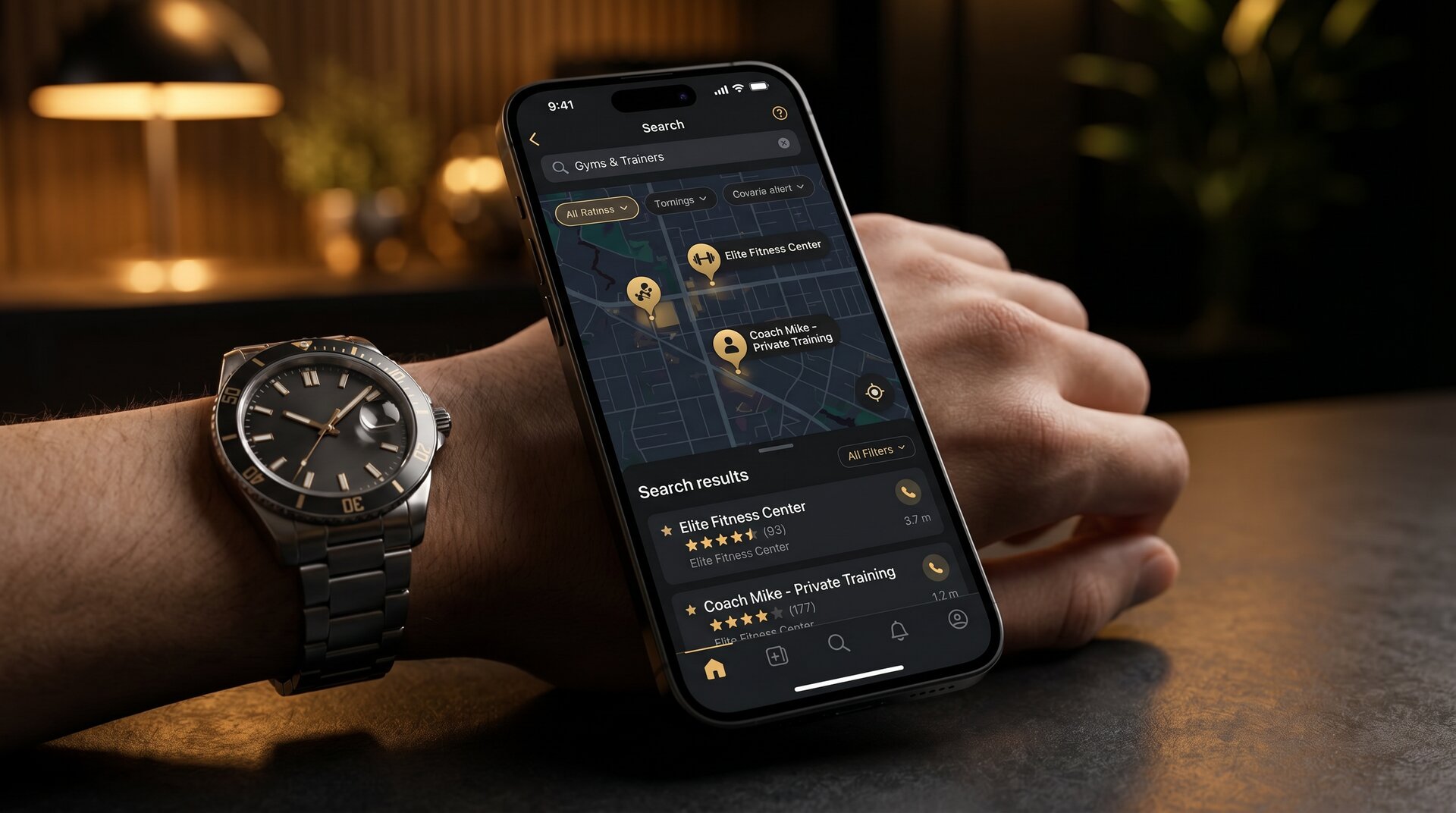
For personal trainers operating in specific geographic areas, local Search Engine Optimization (SEO) is essential for attracting nearby clients. Optimizing a business's online presence to appear in local search results ensures that trainers are visible to individuals actively seeking fitness services in their vicinity. Effective local SEO strategies include claiming and optimizing a Google Business Profile, ensuring consistent business information across directories, and gathering positive local reviews.
By focusing on local SEO, trainers can capture high-intent traffic, leading to higher conversion rates. When potential clients search for terms like "personal trainer near me," a strong local SEO presence ensures the trainer's business appears prominently. To further boost visibility, trainers can list their services on reputable platforms like the FitHelp trainer directory at /personal-trainers, connecting directly with clients actively looking for professional guidance.
Creating Effective Retention Loops
While acquiring new clients is important, retaining existing ones is crucial for the long-term profitability of a personal training business. Research highlights that customer retention in fitness clubs is closely linked to satisfaction, perceived service quality, and the strength of the relationship between the client and the trainer. Implementing retention loops—such as regular progress assessments, personalized goal setting, and consistent communication—can significantly enhance client loyalty and commitment.
Effective retention strategies focus on building a supportive and motivating environment that encourages clients to maintain their fitness routines. By understanding individual client motivations and adapting training programs accordingly, trainers can foster a sense of belonging and achievement. Ultimately, high retention rates not only ensure a stable income but also generate valuable word-of-mouth referrals, driving sustainable business growth.
References
- Durau J, et al. (2022). Motivate me to exercise with you: The effects of social media fitness influencers on users' intentions to engage in physical activity and the role of user gender. Digital Health, 8, 20552076221102769.
- Li W, et al. (2023). The Impact of Fitness Influencers on a Social Media Platform on Exercise Intention during the COVID-19 Pandemic: The Role of Parasocial Relationships. International Journal of Environmental Research and Public Health, 20(2), 1113.
- Subekti MR, et al. (2026). Eficacia del programa de entrenamiento personal en el rendimiento de ventas y la retención de clientes: un estudio de caso de Celebrity Fitness Paragon Semarang. Retos, 77, 117543.
- Gonçalves C, et al. (2016). Consumer Behaviour in Fitness Club: Study of the Weekly Frequency of Use, Expectations, Satisfaction and Retention. The Open Sports Sciences Journal, 9, 62-71.
- Yi S, et al. (2021). Should I stay or should I go? Visit frequency as fitness centre retention strategy. Managing Sport and Leisure, 26(4), 268-286.