Nutrient Timing: What to Eat Before, During, and After Training
By FitHelp Team · · 5 min read
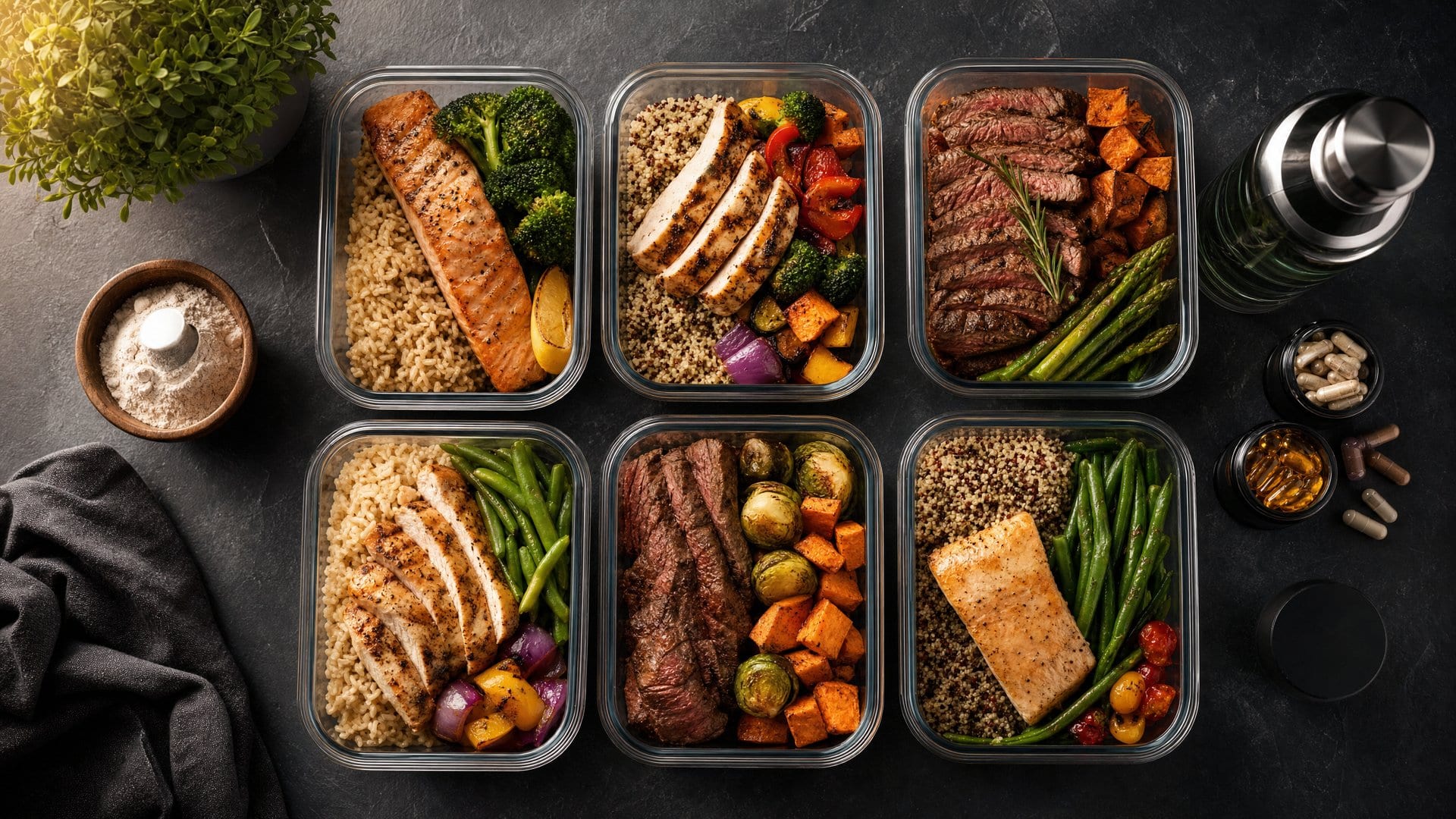
Aragon and Schoenfeld (2013) challenged the dogma of a narrow 'anabolic window,' concluding that total daily intake matters more than precise timing. However, the ISSN position stand (Kerksick et al., 2017) clarifies that timing provides a meaningful advantage when total intake is already optimized. Here is the evidence-based hierarchy and practical application.
The Hierarchy of Nutritional Importance
1. Total calories — determines weight change. 2. Macronutrient distribution — protein adequacy is the body composition lever. 3. Food quality — micronutrients, fiber, whole foods. 4. Meal frequency — 3–5 protein meals across the day. 5. Nutrient timing — the fine-tuning layer (this article).
Pre-Workout (2–3 Hours Before)
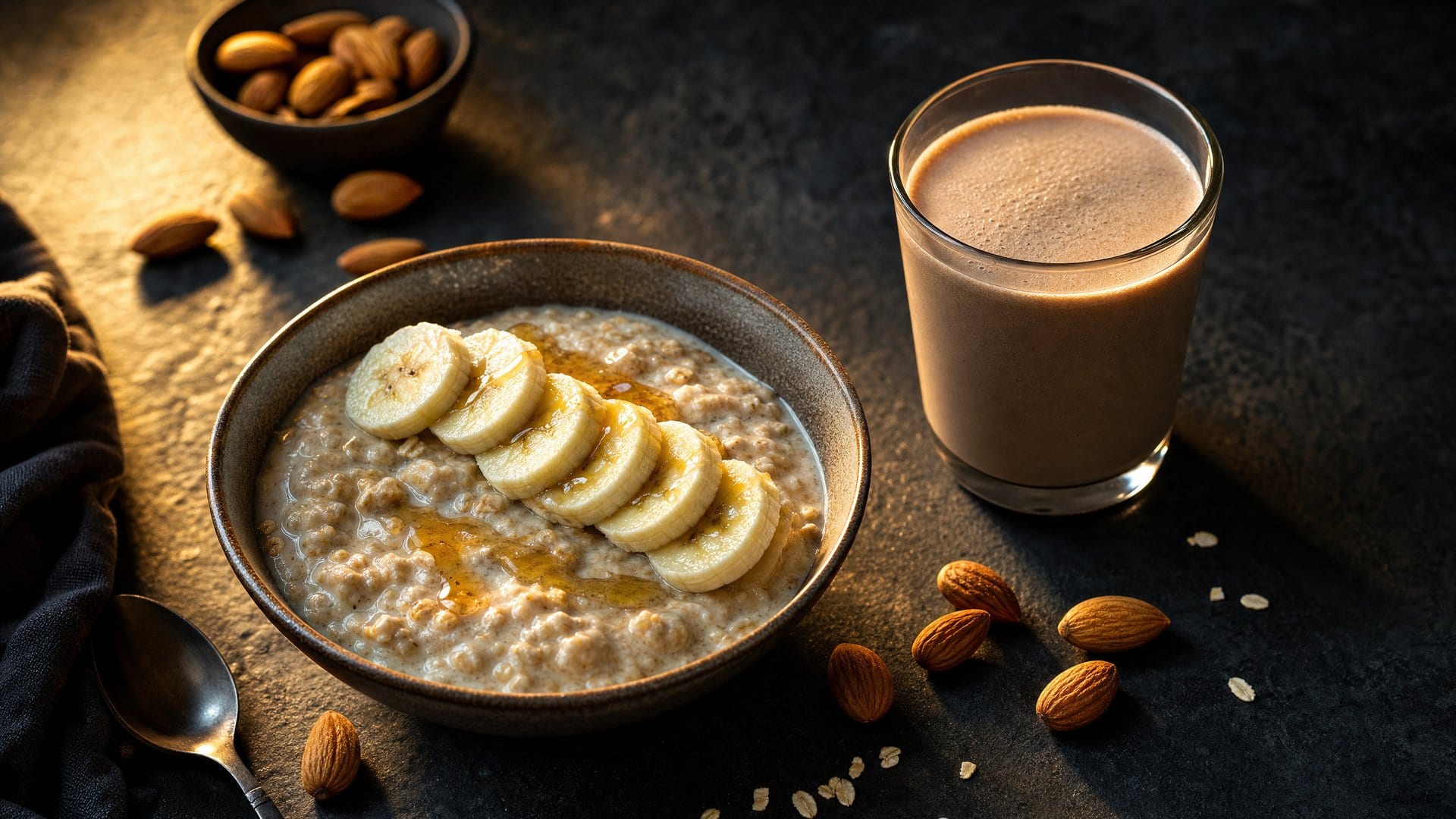
Goal: glycogen availability plus amino acid circulation. Targets: carbs 1–2 g/kg, protein 0.3–0.4 g/kg, moderate fat. Examples: chicken with rice and vegetables, oatmeal with whey and banana. For quick pre-workout (30–60 min before): banana plus protein shake, rice cakes with honey, or Greek yogurt with berries. Minimize fat and fiber in this window.
During Training
For sessions under 75 minutes, water is sufficient. Intra-workout carbs (30–60 g/hour) only benefit sessions exceeding 90 minutes, fasted training, or multiple daily sessions. For typical resistance training: 400–800 ml water, save carbs for post-workout.
Post-Workout (Within 2 Hours)
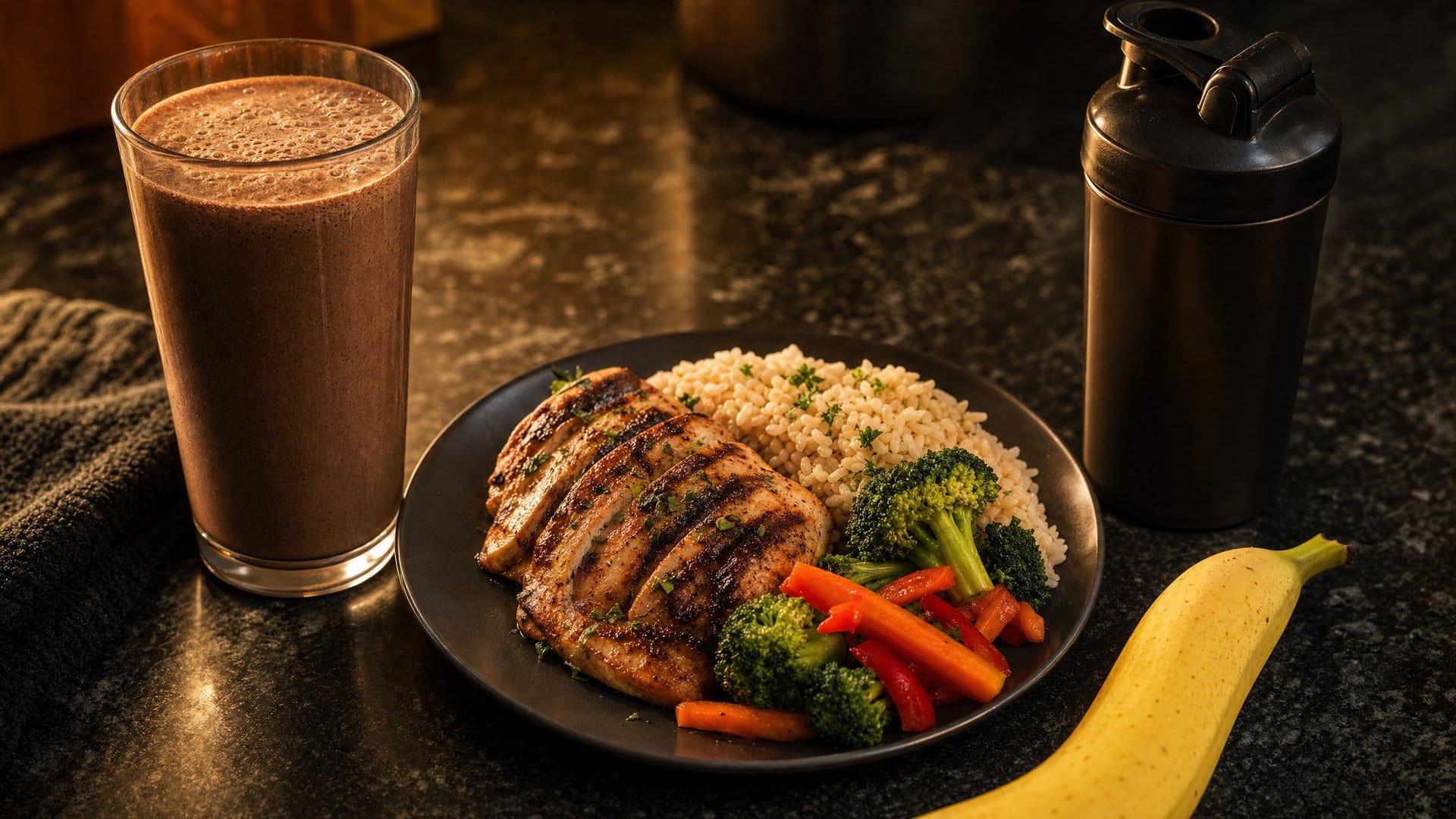
Protein: 0.4–0.5 g/kg (30–40 g). Macnaughton et al. (2016) found 40 g whey stimulated greater muscle protein synthesis than 20 g after full-body training. Carbs: 0.8–1.2 g/kg for glycogen replenishment. Fat does not impair the anabolic response. Examples: protein shake with banana and oats, grilled chicken with white rice, Greek yogurt with granola.
Hydration
Even 2% dehydration impairs strength by 2–5% and endurance by up to 10% (Judelson et al., 2007). Guidelines: 400–600 ml in the 2 hours before, 150–250 ml every 15–20 minutes during, and replace 150% of fluid lost post-training. Add electrolytes for sessions over 60 minutes or in heat.
References
- Aragon AA, Schoenfeld BJ. (2013). JISSN, 10, 5.
- Kerksick CM, et al. (2017). ISSN Position Stand: nutrient timing. JISSN, 14, 33.
- Macnaughton LS, et al. (2016). Physiological Reports, 4(15), e12893.
- Judelson DA, et al. (2007). Med Sci Sports Exerc, 39(10), 1817–1824.