How to Become an Online Fitness Coach: A Complete Guide
By FitHelp Team · · 6 min read
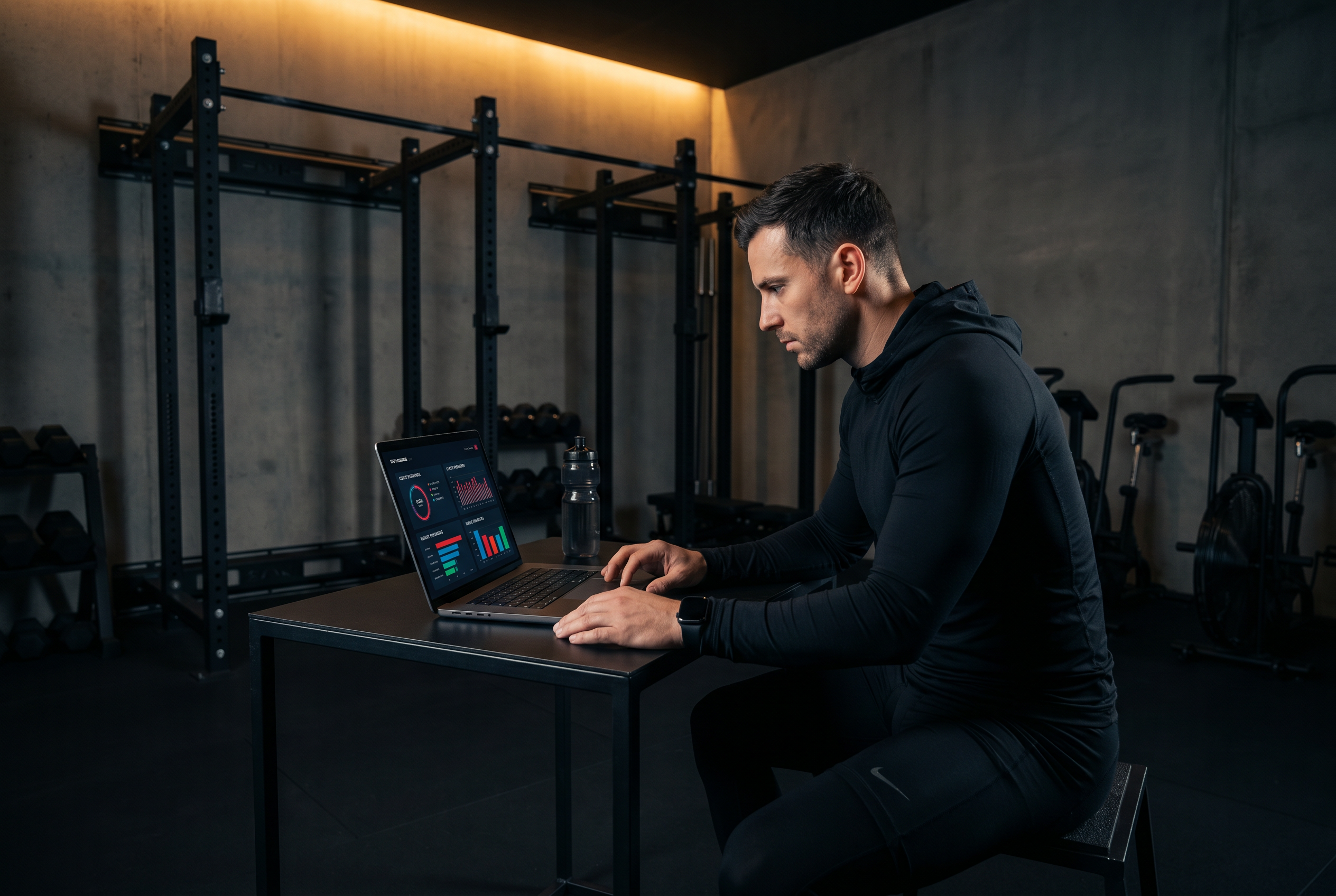
The online fitness coaching industry has experienced explosive growth, with the global digital fitness market projected to reach $120 billion by 2031 according to Mordor Intelligence. For certified trainers ready to expand beyond the gym floor, launching an online coaching business offers scalable income, geographic freedom, and the ability to impact more lives. This guide provides a practical, evidence-based roadmap covering certifications, niche selection, technology infrastructure, pricing strategy, and client acquisition methods that work in 2026.
Choosing the Right Certification
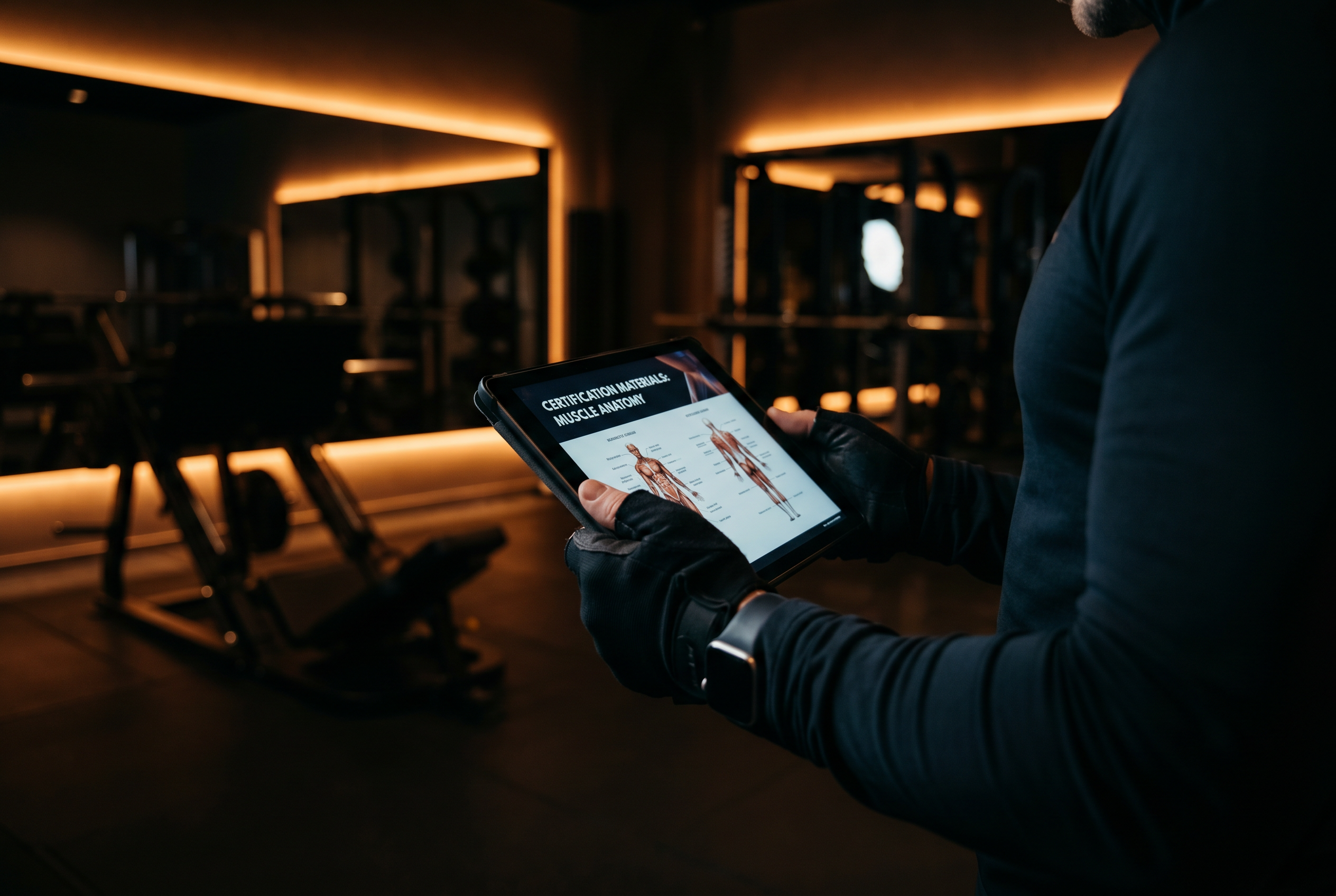
A credible certification is non-negotiable for building trust and ensuring client safety. The ACSM Certified Personal Trainer, NSCA-CPT, and NASM-CPT are widely recognized as gold-standard credentials, each accredited by the National Commission for Certifying Agencies. The 2025 ACSM Worldwide Fitness Trends survey ranked exercise professional education and certification among the top priorities for industry growth, underscoring the market's demand for qualified coaches who can demonstrate evidence-based competency.
Beyond a foundational certification, online coaches benefit from specialized credentials in areas like nutrition coaching, behavior change, or corrective exercise. The International Society of Sports Nutrition (ISSN) offers a Certified Sports Nutritionist credential that pairs well with training services. Research published in the Journal of Strength and Conditioning Research demonstrates that trainers with advanced certifications achieve significantly better client outcomes in both adherence and measurable fitness gains, making continued education a direct investment in business growth.
Defining Your Niche and Tech Stack
Successful online coaches differentiate themselves through specialization rather than competing as generalists. Whether you focus on postpartum fitness, endurance athletes, or busy professionals over 40, a clearly defined niche allows you to craft targeted messaging and command premium pricing. A systematic review in Sports Medicine found that individualized programming based on client-specific goals produces superior strength and hypertrophy outcomes compared to generic templates, validating the niche approach from both a scientific and business perspective.
Your technology stack is the backbone of service delivery. At minimum, you need a platform for program design and delivery, video communication tools, a payment processor, and a client management system. Platforms like FitHelp's trainer directory at /personal-trainers connect you with potential clients while providing built-in tools for scheduling and communication. Research from the British Journal of Sports Medicine highlights that digital delivery platforms with built-in accountability features such as progress tracking and automated check-ins significantly improve client retention rates compared to email-only coaching models.
Pricing Your First Offer

Pricing is where many new online coaches stumble, often undervaluing their services or choosing unsustainable models. Data from the Personal Trainer Development Center shows that online trainers earn an average of $52,518 annually compared to $34,585 for in-person-only trainers, a 52 percent premium that reflects the scalability of digital delivery. Entry-level online coaches typically price monthly packages between $150 and $300, while experienced specialists with proven results can command $500 to $1,500 per month for comprehensive coaching.
The most sustainable pricing model for new coaches combines a moderate monthly retainer with a minimum commitment period of 12 weeks. This structure aligns with exercise science evidence showing that meaningful physiological adaptations in strength and body composition require at least 8 to 12 weeks of consistent training. By setting expectations around realistic timelines from the outset, you reduce early cancellations and build a portfolio of genuine transformation results that fuel future client acquisition through social proof.
Acquiring Your First Clients
Client acquisition for new online coaches relies on a combination of organic content, strategic positioning on trainer marketplaces, and referral systems. Listing your profile on directories like FitHelp's /personal-trainers page puts you in front of motivated prospects already searching for coaching services. The ACSM's 2026 fitness trends report identifies personal training as a perennial top-five trend, confirming sustained consumer demand that new coaches can capture with proper positioning and a professional online presence.
Content marketing remains the highest-return organic strategy for online coaches. Publishing educational content that demonstrates expertise builds trust before the sales conversation begins. A study in the Journal of Medical Internet Research found that health coaching delivered through digital platforms achieves comparable outcomes to in-person interventions for physical activity adherence, which means your content can serve as both a lead generation tool and a proof-of-concept for prospective clients evaluating whether online coaching can work for them.
References
- Mordor Intelligence. (2026). Online Fitness Market Size, Share & Trends Analysis Report, 2026–2031. Market Research Report.
- Thompson, W.R. (2024). 2025 ACSM Worldwide Fitness Trends: Future Directions of the Health and Fitness Industry. ACSM's Health & Fitness Journal, 28(6), 14–27.
- Schoenfeld, B.J., et al. (2019). Individualized Resistance Training Prescription for Maximizing Muscle Hypertrophy: A Narrative Review. Sports Medicine, 49(4), 523–542.
- Melin, A.K., et al. (2023). Digital Health Interventions for Physical Activity Promotion: A Systematic Review of Accountability Features. British Journal of Sports Medicine, 57(12), 764–772.
- Batrakoulis, A., et al. (2025). 2026 ACSM Worldwide Fitness Trends: Future Directions of the Health and Fitness Industry. ACSM's Health & Fitness Journal, 29(6), 12–28.