How Long to See Results from Personal Training? A Science-Backed Timeline
By FitHelp Team · · 5 min read

When starting a personal training program, one of the most common questions is, "How long will it take to see results?" The answer depends on your specific goals, such as building strength, losing fat, or improving endurance. By understanding the realistic timelines backed by exercise science, you can set achievable expectations and stay motivated throughout your fitness journey.
Strength Gains: The First Adaptations
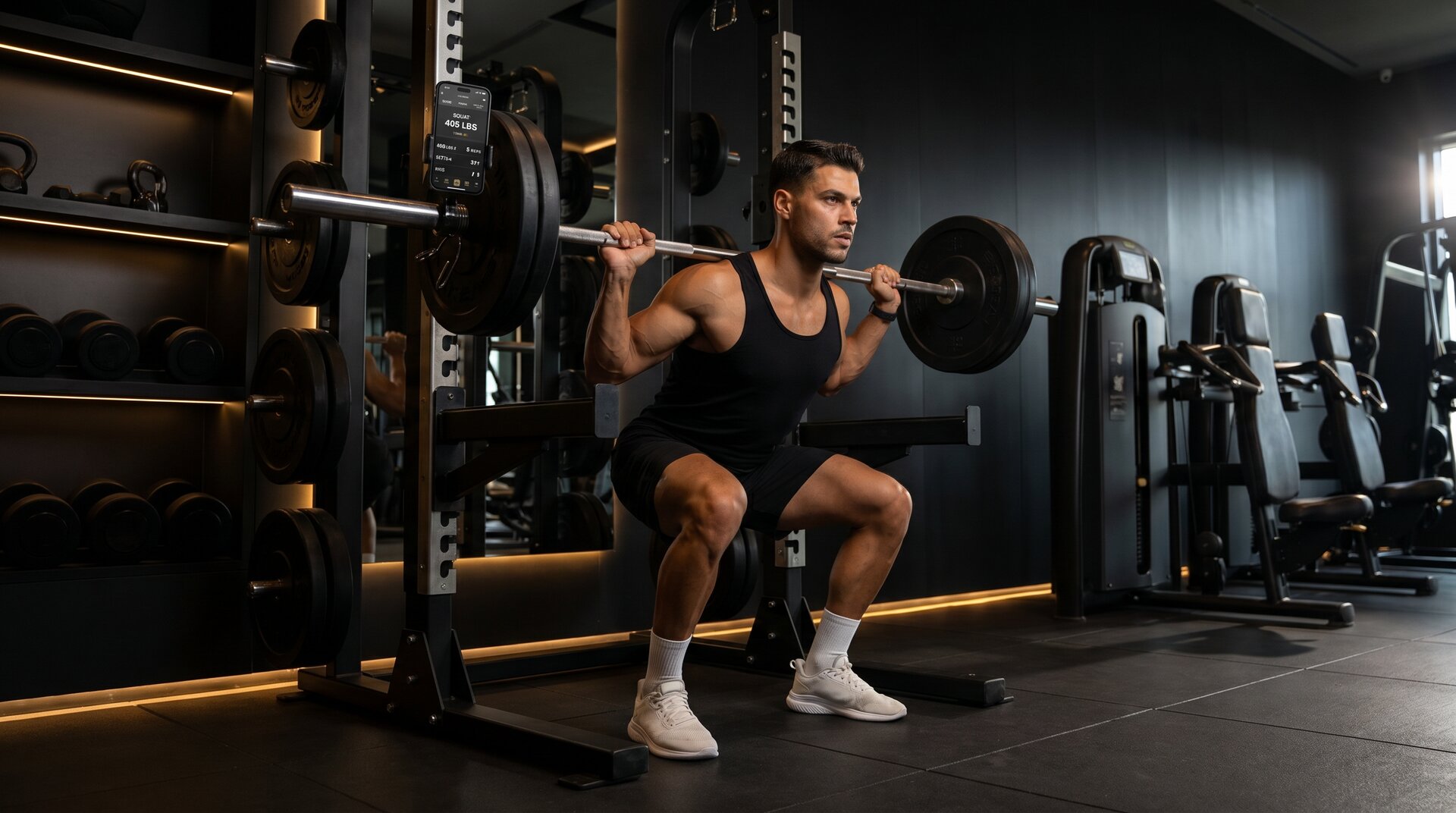
When you begin a resistance training program, the initial improvements in strength are primarily due to neural adaptations rather than muscle growth. According to the American College of Sports Medicine (ACSM), these neural adaptations occur within the first 2 to 4 weeks of consistent training. During this period, your nervous system becomes more efficient at recruiting muscle fibers, allowing you to lift heavier weights even before significant muscle hypertrophy takes place.
Noticeable muscle growth, or hypertrophy, typically takes longer to become apparent. Research indicates that visible changes in muscle size usually require 8 to 12 weeks of consistent resistance training. To maximize these results, the ACSM recommends training each major muscle group 2 to 3 times per week. Working with a professional from the FitHelp personal trainer directory (/personal-trainers) can ensure your program is properly structured to optimize both neural adaptations and long-term muscle growth.
Fat Loss: A Gradual Process
Fat loss is a gradual process that requires a combination of consistent exercise and a caloric deficit. The International Society of Sports Nutrition (ISSN) emphasizes that sustainable fat loss is best achieved at a rate of 0.5 to 1.0 percent of body weight per week. For most individuals, meaningful changes in body composition become noticeable after 4 to 8 weeks of a well-structured personal training program that includes both resistance and aerobic exercise.
It is important to recognize that the scale may not always reflect your progress, especially in the early stages of training. As you build muscle and lose fat simultaneously, your body weight might remain stable while your body composition improves. Tracking metrics such as body measurements and how your clothes fit can provide a more accurate picture of your fat loss progress over the first few months of training.
Endurance Improvements: Cardiovascular Adaptations
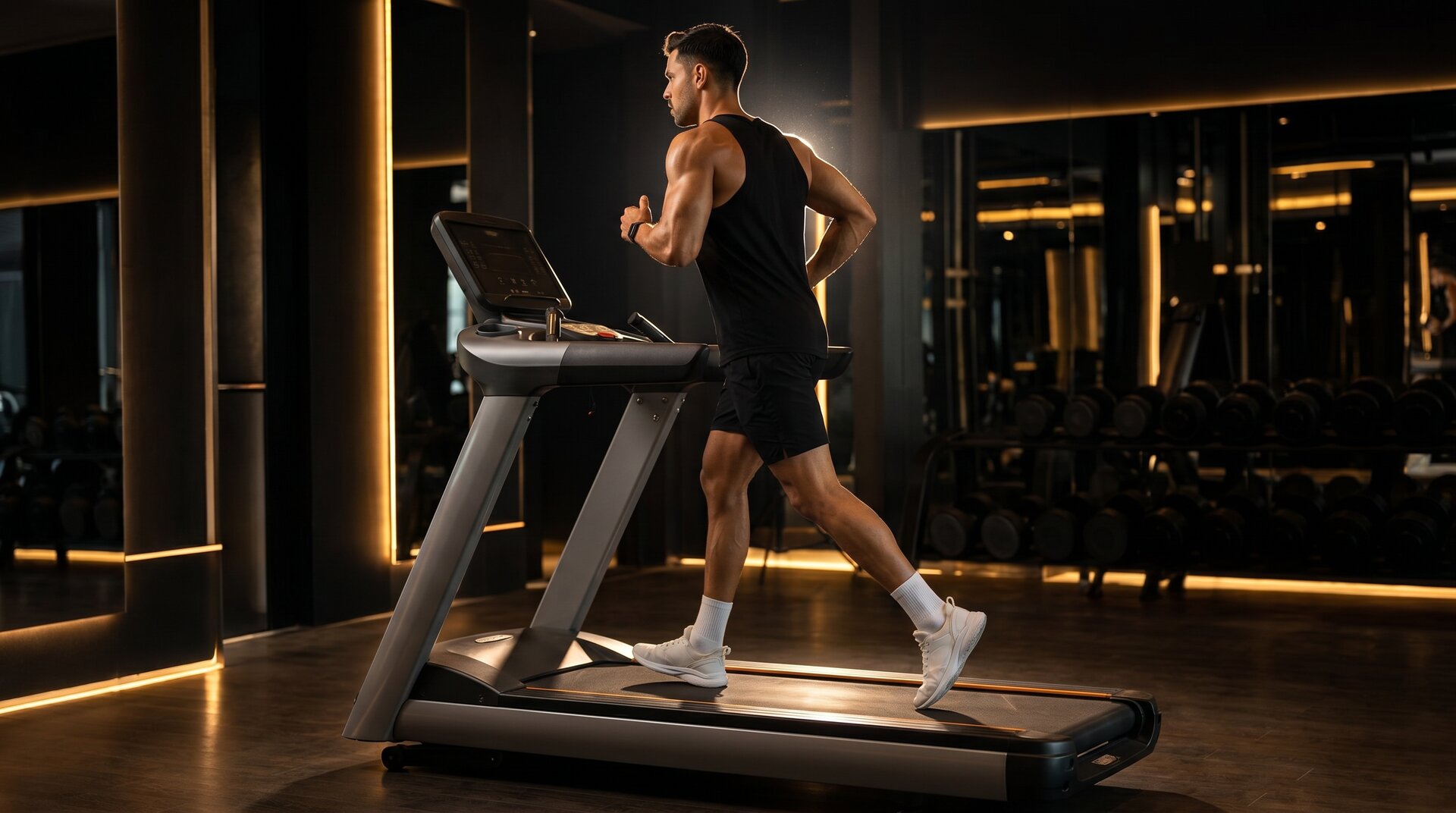
Cardiovascular endurance improves relatively quickly when you engage in regular aerobic training. Studies published in Sports Medicine show that significant increases in VO2 max, a key indicator of aerobic fitness, can be observed within 4 to 6 weeks of consistent training. These early adaptations are largely due to an increase in blood volume and improved cardiac output, which enhance your body's ability to deliver oxygen to working muscles.
Long-term endurance adaptations, such as increased capillary density and mitochondrial efficiency in muscle cells, continue to develop over several months. To achieve these benefits, it is generally recommended to perform moderate-intensity aerobic exercise for at least 150 minutes per week, or vigorous-intensity exercise for 75 minutes per week. A personal trainer can help design a progressive cardiovascular program that safely challenges your aerobic capacity over time.
The Importance of Consistency and Progression
Regardless of your specific fitness goals, consistency is the most critical factor in seeing results from personal training. The physiological adaptations required for strength gains, fat loss, and endurance improvements all depend on regular, repeated exposure to exercise stimuli. Skipping workouts or frequently changing your routine can delay progress and make it difficult to achieve your desired outcomes within the expected timelines.
In addition to consistency, progressive overload is essential for continued improvement. As your body adapts to your training program, you must gradually increase the intensity, volume, or complexity of your workouts to keep making progress. A qualified personal trainer will systematically apply progressive overload to ensure you continue to see results long after the initial adaptations have occurred, helping you reach your ultimate fitness goals safely and effectively.
References
- American College of Sports Medicine (2009). American College of Sports Medicine position stand. Progression models in resistance training for healthy adults. Medicine and Science in Sports and Exercise, 41(3), 687-708.
- Aragon AA, et al. (2017). International society of sports nutrition position stand: diets and body composition. Journal of the International Society of Sports Nutrition, 14(1), 16.
- Seiler S, Tønnessen E (2009). Intervals, thresholds, and long slow distance: the role of intensity and duration in endurance training. Sportscience, 13, 32-53.
- Wilmore JH, Knuttgen HG (2003). Aerobic exercise and endurance: improving fitness for health benefits. The Physician and Sportsmedicine, 31(5), 45-51.
- Willis LH, et al. (2012). Effects of aerobic and/or resistance training on body mass and fat mass in overweight or obese adults. Journal of Applied Physiology, 113(12), 1831-1837.