Best Software Tools for Personal Trainers: Enhancing Efficiency and Client Success
By FitHelp Team · · 5 min read
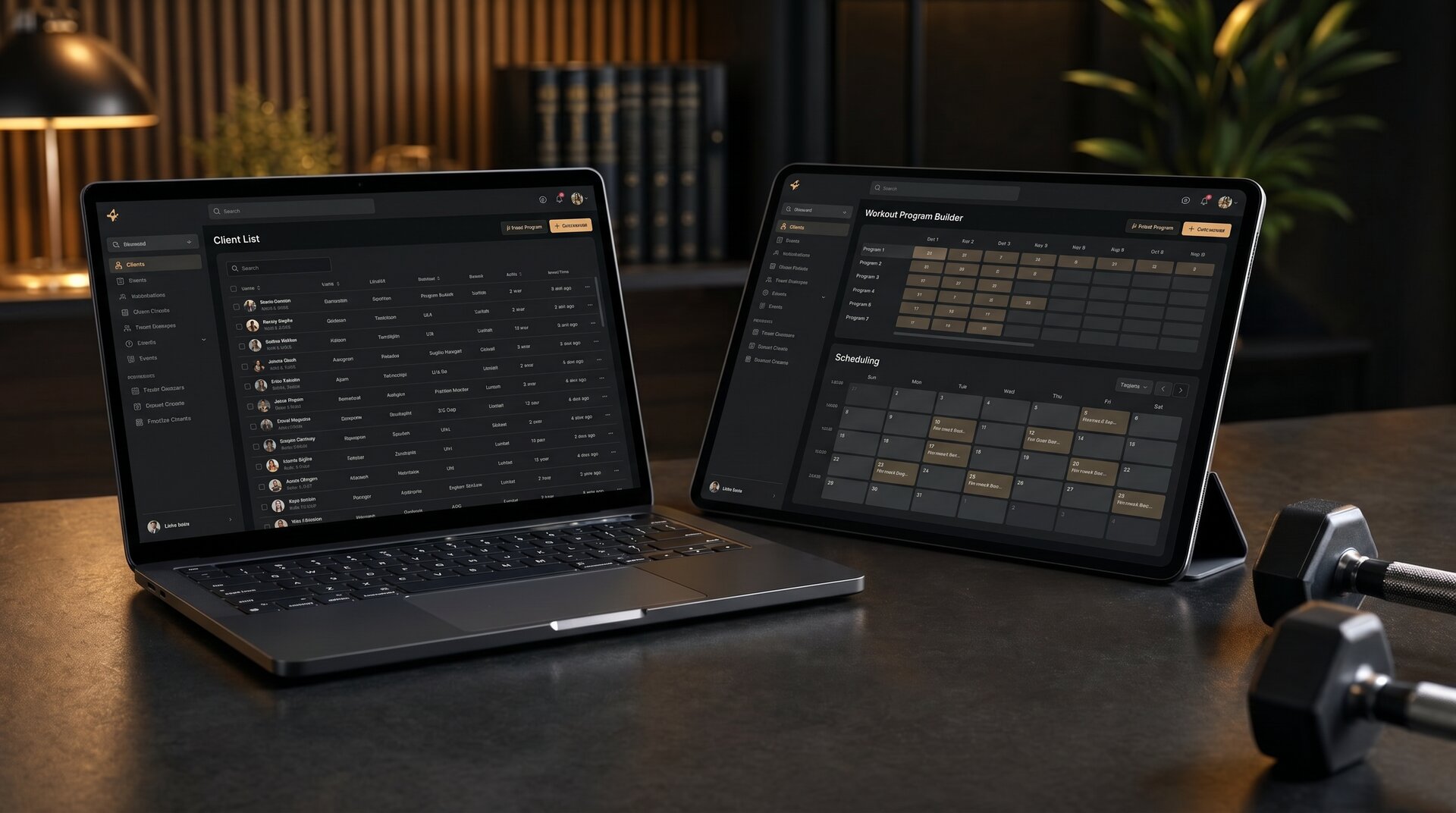
In today’s competitive fitness industry, relying on pen and paper is no longer sufficient. Personal trainers must leverage advanced software tools to manage programming, process payments, and maintain seamless client communication. By integrating comprehensive digital solutions, fitness professionals can significantly enhance operational efficiency, improve client adherence, and ultimately scale their businesses more effectively in a technology-driven landscape.
Streamlining Program Delivery and Progress Tracking
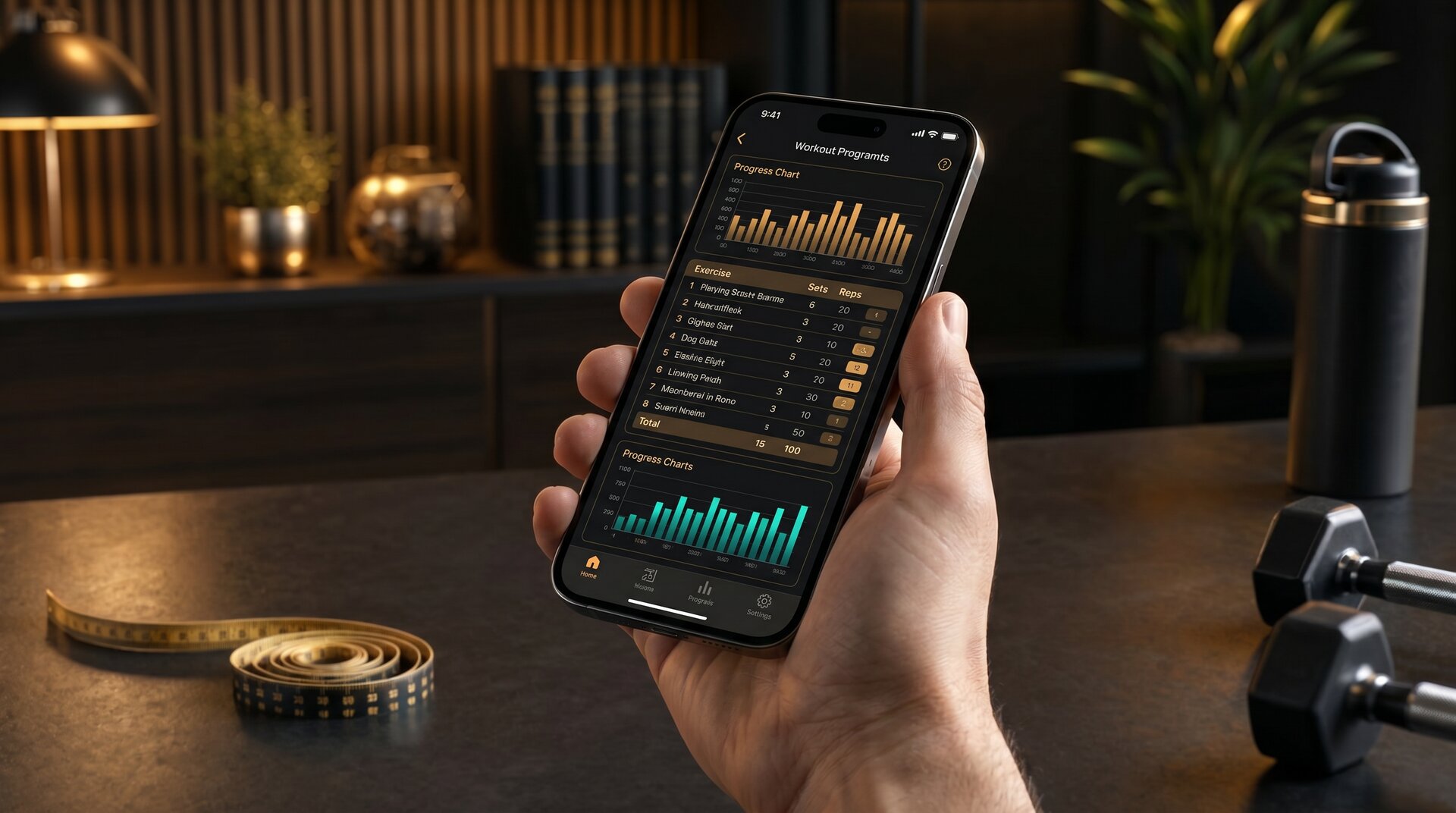
Effective program delivery is the cornerstone of successful personal training. Modern software allows trainers to create customized, periodized workout plans that clients can access directly from their smartphones. Research indicates that digital health interventions significantly improve physical activity adherence. A meta-analysis by Fanning et al. (2012) demonstrated that mobile device interventions effectively increase daily physical activity levels. By utilizing software with built-in video demonstrations and automated progress tracking, trainers ensure clients perform exercises correctly and stay motivated through visual representations of their improvements over time.
Furthermore, digital tracking tools enable trainers to monitor client metrics such as volume, intensity, and biometric changes in real-time. This data-driven approach allows for precise adjustments to training variables, optimizing results and reducing injury risk. The ability to instantly update programs based on client feedback or performance data creates a highly responsive and personalized coaching experience, which is crucial for long-term client retention and satisfaction.
Optimizing Client Communication and Accountability
Consistent communication is vital for maintaining client engagement outside of scheduled sessions. Dedicated personal training software centralizes messaging, allowing trainers to send automated check-ins, motivational reminders, and educational content. Studies show that continuous support is a key factor in client success. According to McClaran (2003), one-on-one personal training effectively changes attitudes and increases physical activity, largely due to the accountability provided by the trainer. Software tools amplify this effect by facilitating continuous, structured interaction without overwhelming the trainer's schedule.
Many platforms also integrate habit-tracking features, encouraging clients to log daily nutrition, hydration, and sleep. This holistic approach to wellness ensures that clients remain focused on their goals even when they are not in the gym. By automating routine communications, trainers can dedicate more time to analyzing client data and providing high-level, personalized feedback, thereby elevating the overall quality of the coaching service.
Simplifying Scheduling and Payment Processing

Administrative tasks can consume a significant portion of a personal trainer's day. Integrated software solutions streamline scheduling by allowing clients to book, cancel, or reschedule sessions through an automated calendar system. This reduces no-shows and eliminates the back-and-forth of manual booking. Additionally, built-in payment processing ensures secure, timely transactions. García-Fernández et al. (2020) found a strong positive relationship between technological capabilities and organizational impact for personal fitness trainers, highlighting that adopting comprehensive management tools directly enhances business efficiency and market agility.
By automating invoicing and offering subscription-based billing options, trainers can stabilize their income and reduce the awkwardness of chasing payments. This professional approach not only improves cash flow but also enhances the client experience by providing a seamless, frictionless transaction process. Ultimately, minimizing administrative burdens allows trainers to focus their energy on what they do best: coaching and supporting their clients.
Integrating Comprehensive Solutions with FitHelp
While individual tools can address specific needs, an all-in-one platform offers the most significant advantages for fitness professionals. A comprehensive solution integrates programming, communication, scheduling, and payments into a single ecosystem, eliminating the need to juggle multiple applications. For trainers looking to expand their reach and streamline their operations, joining a platform like FitHelp provides an immediate advantage. By listing your services in the FitHelp trainer directory at /personal-trainers, you gain access to a robust suite of management tools while simultaneously increasing your visibility to potential clients actively seeking professional guidance.
The integration of business management software with a client acquisition platform creates a powerful synergy. Trainers can seamlessly transition new leads from the directory into active, paying clients within the same system. This unified approach not only saves time and reduces software subscription costs but also provides a cohesive, professional experience for the client from the initial point of contact through their entire fitness journey. Embracing such comprehensive technology is essential for building a sustainable, scalable personal training business.
References
- García-Fernández, J., Gálvez-Ruiz, P., & Bohórquez, M. R. (2020). The Relationship between Technological Capabilities and Organizational Impact: Direct and Indirect Routes for Employed and Self-Employed Personal Fitness Trainers. Sustainability, 12(24), 10383.
- McClaran, S. R. (2003). The Effectiveness of Personal Training on Changing Attitudes Towards Physical Activity. Journal of Sports Science & Medicine, 2(1), 10-14.
- Stockwell, S., Schofield, P., Fisher, A., et al. (2019). Digital behavior change interventions to promote physical activity and/or reduce sedentary behavior in older adults: A systematic review and meta-analysis. Experimental Gerontology, 120, 68-87.
- Fanning, J., Mullen, S. P., & McAuley, E. (2012). Increasing physical activity with mobile devices: a meta-analysis. Journal of Medical Internet Research, 14(6), e161.
- Voth, E. C., Oelke, N. D., & Jung, M. E. (2016). A theory-based exercise training intervention for adults with type 2 diabetes: a feasibility study. Translational Behavioral Medicine, 6(4), 623-635.